
Cancer Survivorship Shouldn't Depend on Your Race or ZIP Code
BIPOC cancer survivors often face greater barriers to treatment, financial stability, and support.
Discover the story
The Disparities Are Real
Higher Mortality Rates
BIPOC communities experience disproportionately higher cancer mortality rates across many cancer types.
Limited Representation
Less than 5% of cancer research participants are from BIPOC communities, leaving their experiences invisible.
Financial Toxicity
Cancer treatment costs force survivors to choose between care and basic living expenses like rent and food.
Cultural Barriers
Language, trust, and cultural differences create obstacles to accessing quality cancer care and support.
Behind Every Statistic Is a Survivor
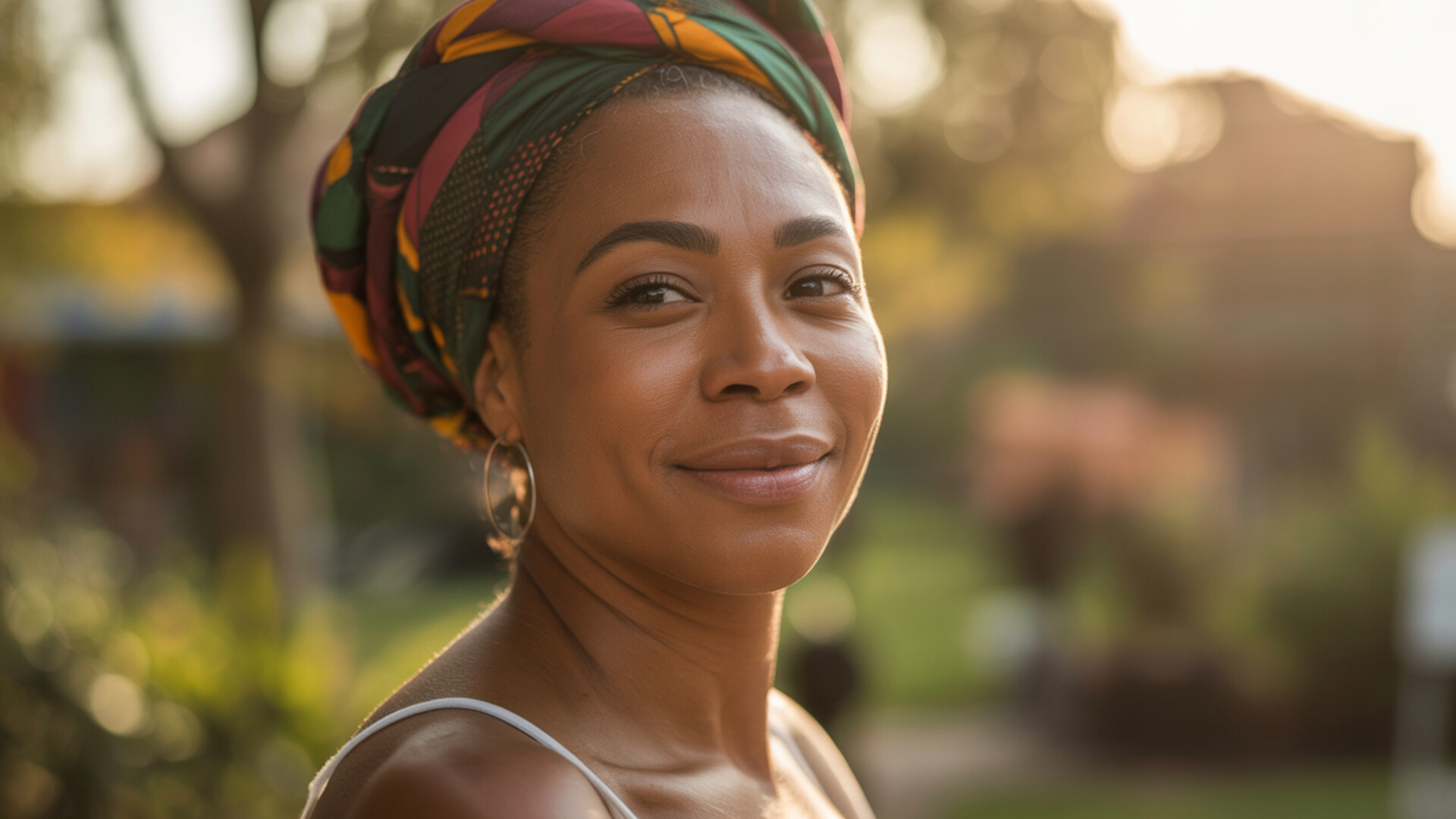
When I was diagnosed, I didn't know how I would pay my rent and get treatment.
The support I received reminded me I wasn't fighting alone.

United Colors of Cancer Exists to Change This
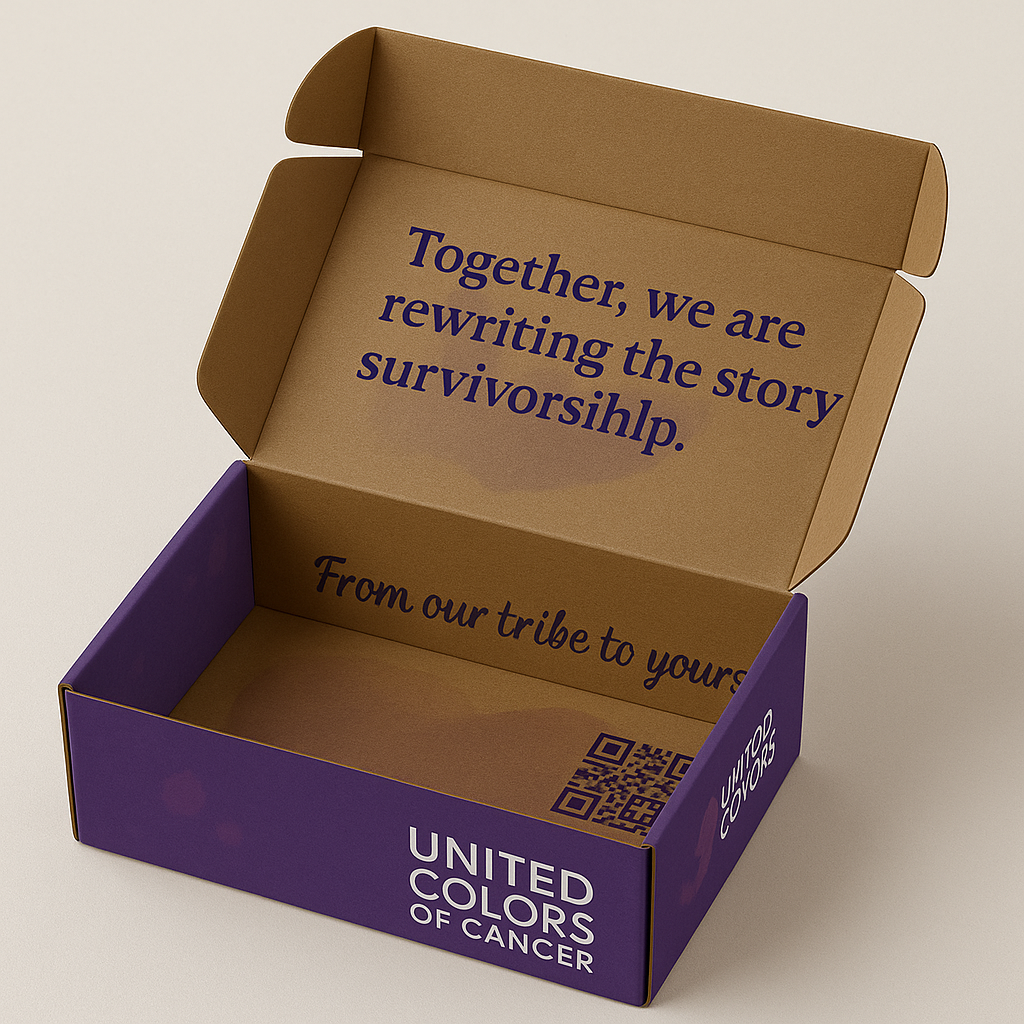
United Colors of Cancer supports BIPOC cancer survivors through financial assistance, care packages, family-building grants, and community-driven advocacy.
Real Support. Real Impact.
Financial Assistance
Direct support for rent, food & medical costs
Care Packages
Culturally tailored comfort & wellness kits
Family-Building Grants
Fertility preservation & family planning
Research & Advocacy
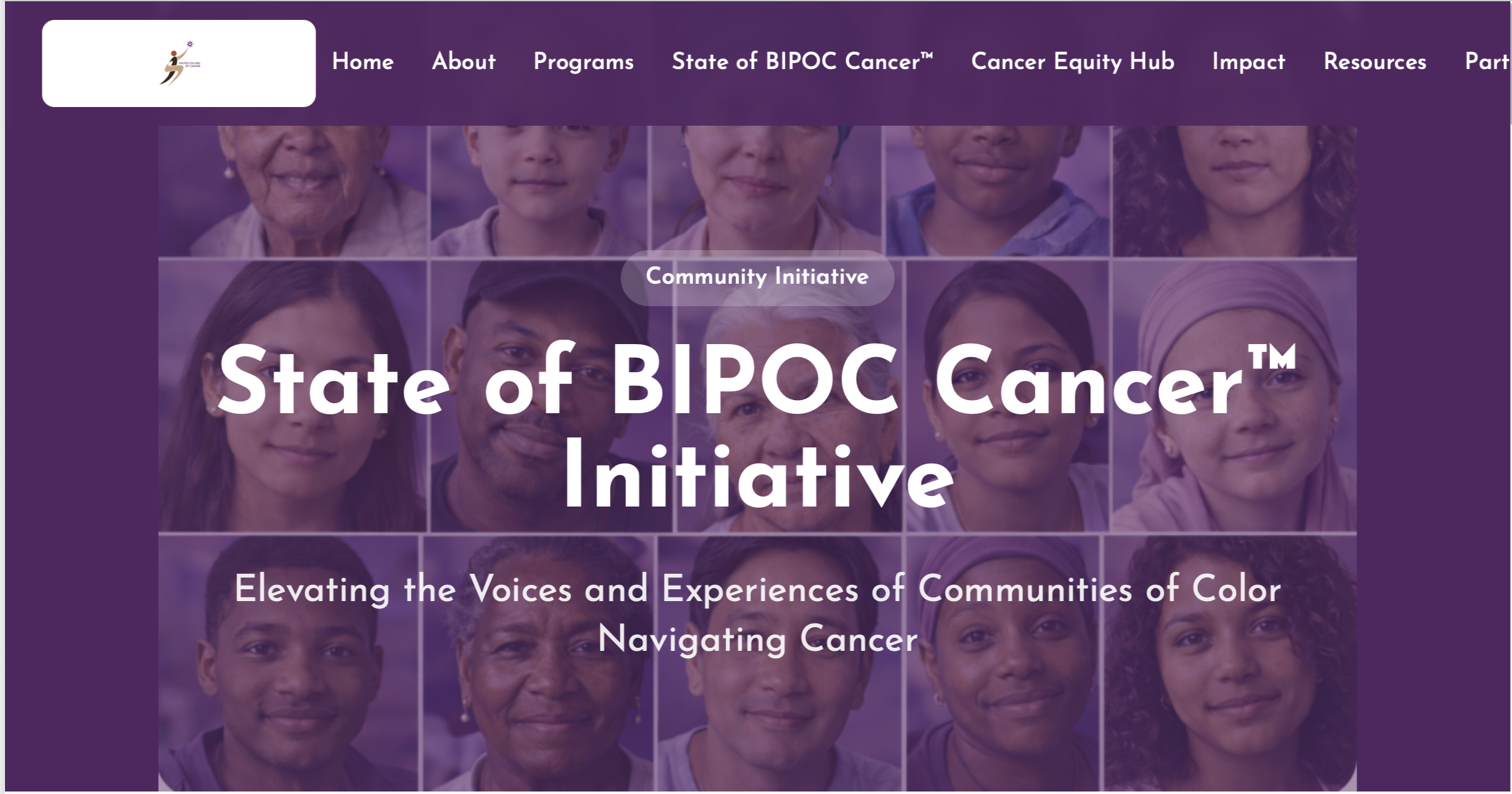
State of BIPOC Cancer Initiative


Changing Cancer Research
The State of BIPOC Cancer Report will capture the lived experiences of survivors whose voices are often missing from traditional cancer research.
Participate in the SurveyThis Movement Is Growing
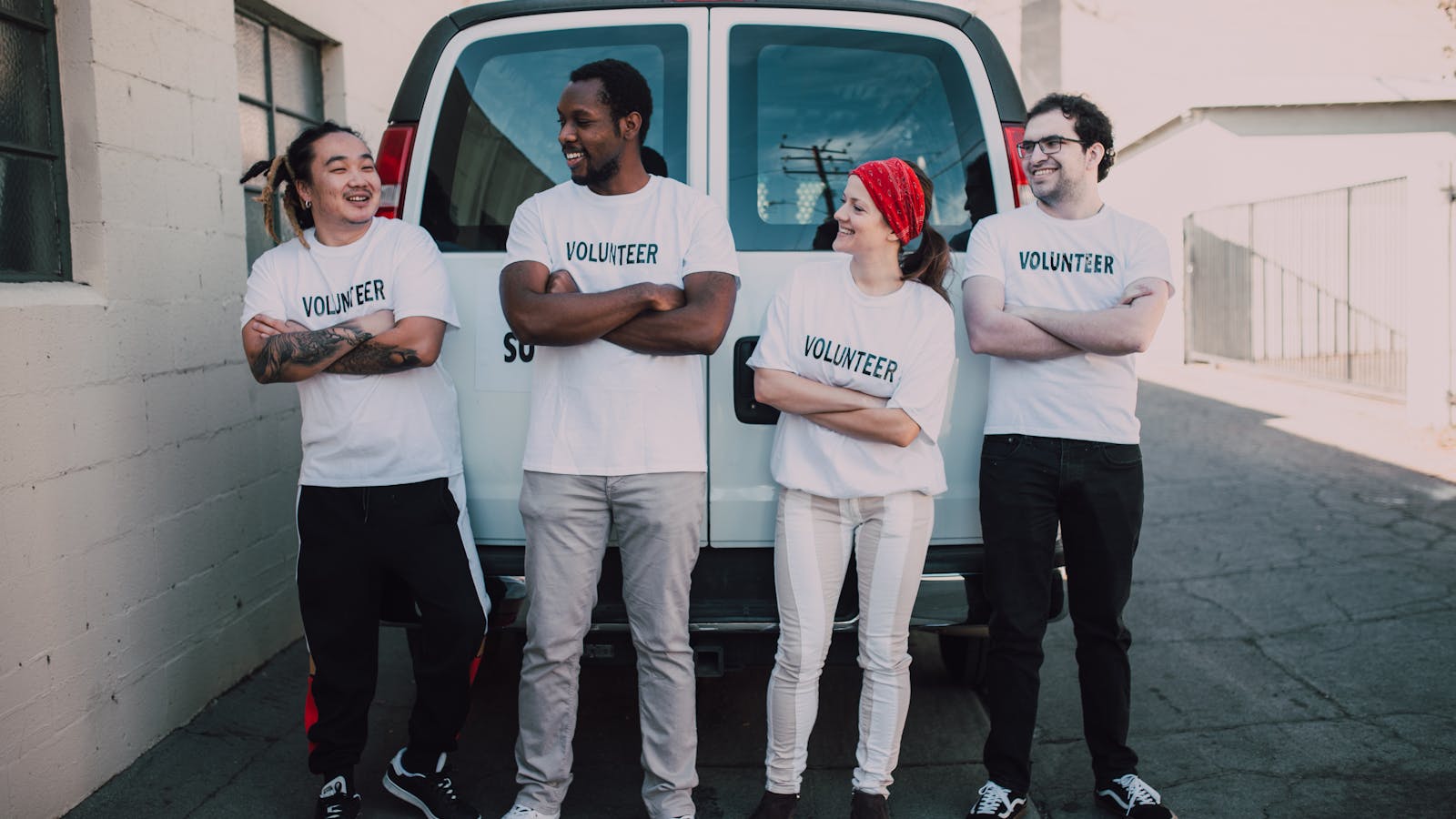
Join a community of survivors, volunteers, partners, and advocates working together to transform cancer survivorship.
 Community Support
 Volunteer Events
 Community Events
 Advocacy & Policy
 Care & Comfort
 Making a Difference